Continuous improvement is not sustainable when it is treated as an additional task layered on top of regular work. It is a practice embedded in the work itself. In the best implementations, it is built into workflows. Improvement requires reflection on performance, examination of process, and adjustment based on evidence.
Because improvement is considered lower priority than delivery, efforts are treated as additional goals and deferred during periods of high demand. They become relegated to periods of inactivity before holidays or during seasonal slow times.
When improvement is treated as a separate activity, it competes with delivery. When it is integrated into delivery, learning and execution become inseparable. Organizations that adapt quickly embed improvement into their operating routines.
Continuous improvement assumes that no product, process, or structure is final. Each iteration is reviewed for new constraints or more effective ways to address existing ones. If that information informs the next cycle, small, lower-risk experiments can be run regularly, allowing the organization to refine its products and the way it builds them. If that feedback is deferred, the result is compounding problems and inefficiencies. Sporadic transformation efforts do not reliably produce the cumulative growth in capability generated by disciplined, embedded learning.
From Task Optimization to System Learning
Continuous improvement is best understood as the result of several shifts in management thinking.
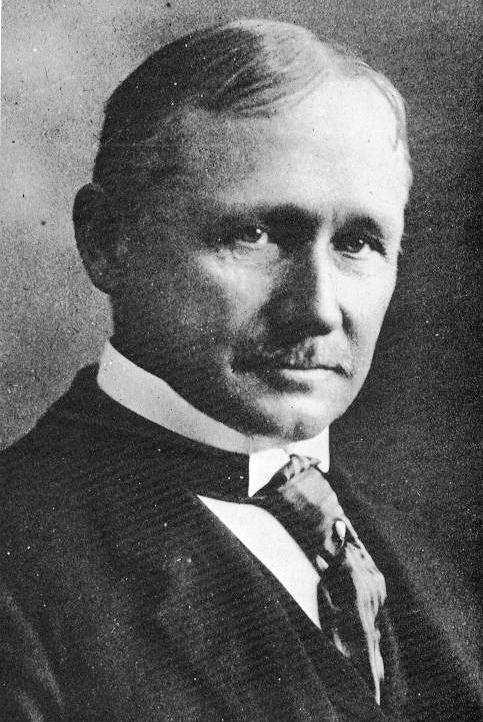
Early industrial management focused on efficiency at the task level. Frederick Winslow Taylor argued that work should be studied scientifically, decomposed into repeatable elements, and standardized. This approach improved consistency and output in many industrial settings. It also established the principle that performance can be measured and intentionally redesigned.
However, task optimization does not automatically produce system optimization. A collection of locally efficient tasks can still generate delays, defects, and instability at the system level.
Mid-twentieth-century quality thinkers reframed the problem. Statistical process control introduced the idea that variation within a system must be measured and managed. W. Edwards Deming emphasized that most defects arise from the system rather than from individual workers. Improvement therefore required leadership attention to process design, feedback loops, and cross-functional coordination.
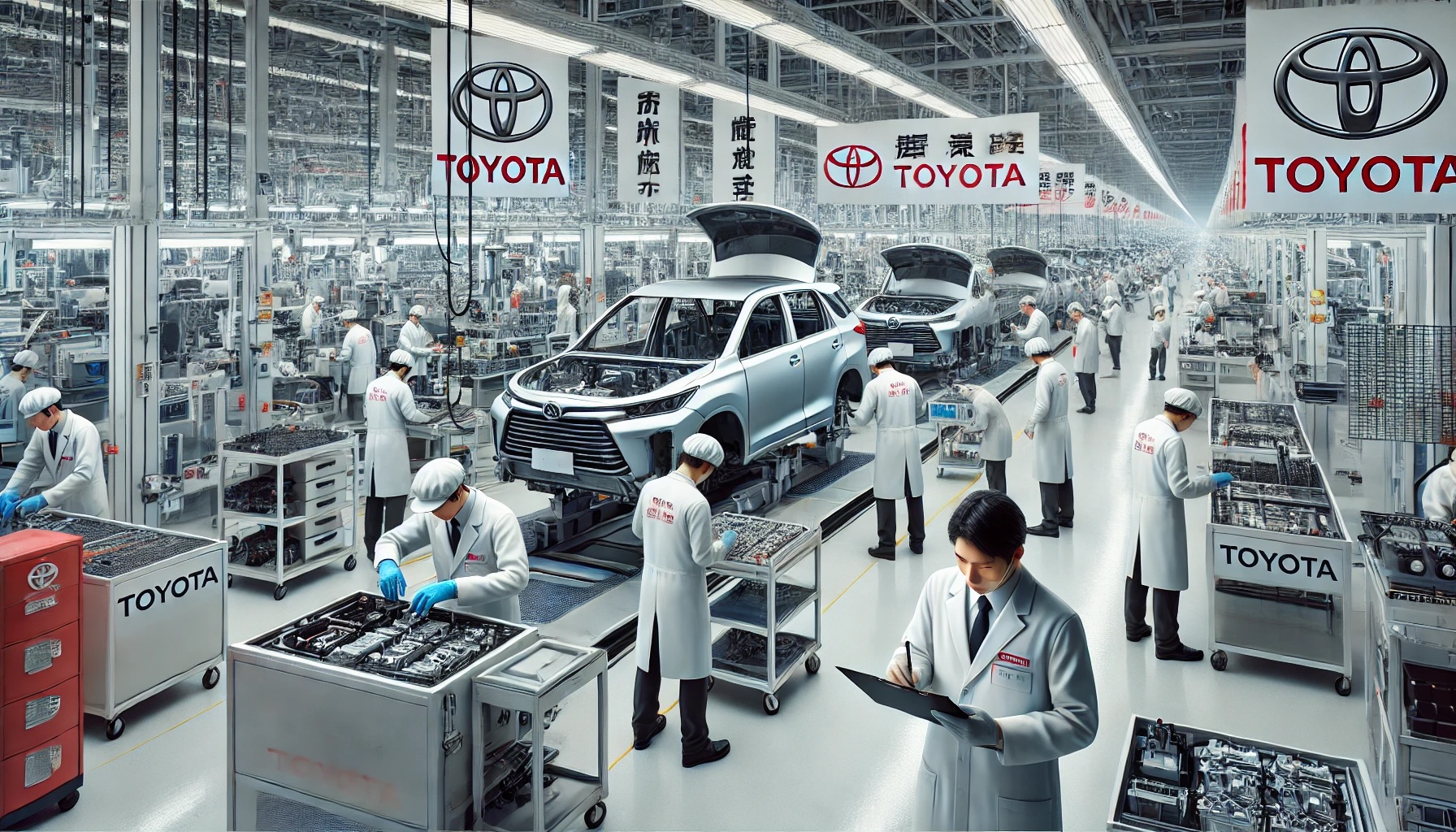
Japanese manufacturers integrated these statistical principles with structured routines for daily learning. Standardized work made deviation visible. Short feedback cycles allowed rapid adjustment. Improvement was not reserved for specialists. It became part of operational practice.
The shift was practical. Early management improved how individual work steps were performed. Later work showed that delays, defects, and instability often came from how those steps interacted. As a result, improvement had to move beyond individual tasks and become part of how the whole system was managed.
Modern continuous improvement keeps the measurement and standardization introduced earlier, but applies them to the system as a whole. The focus shifts from improving isolated steps to managing how the entire set of activities performs and adjusts over time.
Continuous Improvement as a Learning System
Continuous improvement is a learning system built into how work is performed. It makes feedback from one cycle of work become input into the next.
Transparency is one element of this system. It makes relevant information visible. However, visibility alone does not generate improvement. Improvement occurs when that information is acted upon.
A functioning improvement system depends on several conditions.
- Observable Performance. The system must produce data that can be trusted. Metrics such as cycle time, defect frequency, and service reliability are not management artifacts. They are tools for understanding where performance is breaking down. Without disciplined measurement, improvement efforts rely on opinion.
- Safe Problem Exposure. Problems must be safe to report. If people are punished for raising issues, those issues will be hidden. When problems are hidden, the organization loses accurate information about how the system is actually performing. Improvement depends on seeing what is not working.
- People respond to what is rewarded. If promotion depends on defending past decisions, people will defend them. If it depends on improving how the system performs, people will focus on that instead. The organization improves in the direction it rewards.
- Structured Cadence. Improvement must happen on a regular schedule. The longer the gap between feedback and change, the more risk builds up. Short cycles limit the impact of mistakes and make adjustments easier.
When these conditions are in place, improvement is no longer separate from delivery. It becomes part of how work is done. The organization does not stop working in order to improve. Changes are made as the work moves forward.
Applying Continuous Improvement
If transparency is limited, continuous improvement will be limited as well. When people are afraid to expose problems, only the safest and most visible issues get addressed. Politically sensitive or deeper problems remain. This can produce small gains, but it rarely changes overall performance.
If transparency exists, the truth can be examined, and decisions can be based on accurate information and observations. Effective improvement depends on three practical conditions:
- Cadence. Improvement must happen on a regular schedule. Shorter gaps between feedback and change reduce risk and make adjustments easier.
- Relentlessness. Improvement must continue especially if there is a crisis. The way we respond to a crisis also presents the opportunity to improve.
- Small bets. Avoid making large, irreversible decisions. Changes should be small enough that they can be tested without major disruption. If the result is not useful, the change can be reversed. Smaller changes lower the cost of mistakes and make learning safer.
Over time, many small changes accumulate into meaningful improvement.
What Embedded Improvement Actually Looks Like
Consider some options:
- Retrospectives scheduled consistently and not postponed. Holding retrospectives on an uneven cadence, or postponing them to the next sprint, means the results will not affect the next cycle of work.
- Metrics reviewed before planning decisions. Making plans before reviewing results defeats the purpose of iterative delivery.
- Small experiments defined explicitly. Viewing work as a series of small experiments creates space to try different approaches and learn from them.
- Defects addressed during development, not deferred indefinitely. If improvement is pushed aside during a crisis, the organization does not improve its ability to handle the next one.
- Incentives aligned with reducing cycle time, not defending plans. Treating the process as fixed and untouchable prevents it from being improved.
Resist Tradition
Tradition can slow improvement. Practices that once produced good results often become protected over time. When a method is tied to past success or to a senior leader’s reputation, questioning it becomes difficult.
Leaders sometimes say they want continuous improvement while also insisting that the culture should remain unchanged. That position is inconsistent. Culture reflects the behaviors that have been rewarded in the past. If those behaviors do not support ongoing learning and adjustment, they will need to change.
If a retrospective identifies an issue but no change follows, teams learn that raising issues has no practical effect.
Continuous Improvement as Embedded Adaptation
Organizations often treat delivery and improvement as separate kinds of work. Delivery focuses on producing results, while improvement focuses on changing how the work is done. Separating them creates an artificial trade-off between producing and learning.
A production system that does not adapt to feedback becomes harder to manage. Debt increases, coordination costs rise, and delivery slows. The decline is usually gradual, which makes it easy to ignore until the effects are significant.
Continuous improvement addresses this problem by building learning into the flow of work. Each cycle produces information about how the system is performing. That information needs to change what happens in the next cycle. If it does not, the same problems continue.
If improvement is postponed until after delivery, work continues without correction. When it is part of delivery, issues are addressed as they appear.
Continuous improvement is not work added on top of delivery. It is part of what allows delivery to keep working.
Overcome Fear
Many organizations treat changes in direction as signs of instability. Leaders may avoid adjusting course because it appears inconsistent. As a result, known problems are tolerated rather than addressed.
Improvement requires revisiting prior decisions and, at times, reversing them. That creates short-term discomfort. Avoiding that discomfort preserves consistency, but it prevents learning.